
Emergency Cooking Without Power for Preppers
Emergency Cooking Without Power for Preppers
When the power goes out, modern kitchens become useless within minutes. Electric stoves fail, microwaves go silent, refrigerators slowly warm. For preppers, emergency cooking without power is not optional. It is a core survival skill.
This article explains how to cook without electricity, which tools to use, which foods work best, and how to build a functional prepper kitchen that keeps working when the grid fails.
Why Power-Free Cooking Matters
In real emergencies, power outages are common:
- Natural disasters
- Grid failures
- Fuel shortages
- Cyberattacks
- Long-term infrastructure collapse
Without a plan, stored food becomes inaccessible or unsafe to prepare. Preppers who plan for off-grid cooking maintain calories, nutrition, and morale when others cannot.
Core Principles of Emergency Cooking
Successful emergency cooking follows five rules:
- No dependency on electricity
- Minimal fuel usage
- Simple preparation
- Shelf-stable ingredients
- Safe indoor or outdoor use
Every cooking method and recipe should respect these principles.
Off-Grid Cooking Methods for Preppers
1. Propane and Butane Stoves
Portable gas stoves are the most common prepper solution.
Advantages
- Fast heat
- Easy to control
- Compact and portable
Disadvantages
- Fuel runs out
- Indoor use requires ventilation
Best used for short- to mid-term emergencies.
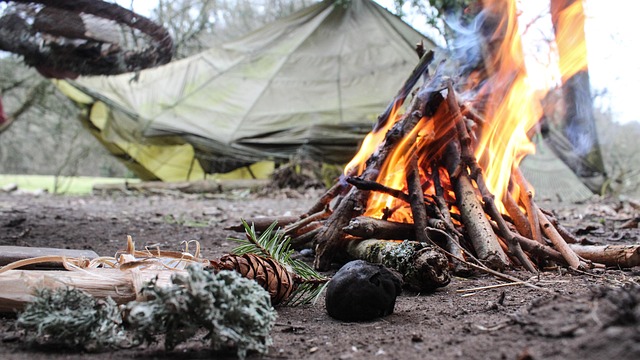
2. Wood and Biomass Cooking
Includes:
- Campfires
- Rocket stoves
- Wood-burning cook stoves
Advantages
- Renewable fuel
- No reliance on stored gas
- Long-term sustainability
Disadvantages
- Smoke visibility
- Weather dependent
- Requires practice
Ideal for long-term grid-down scenarios.
3. Alcohol Stoves
Uses denatured alcohol or ethanol.
Advantages
- Simple design
- Lightweight
- Quiet
Disadvantages
- Lower heat output
- Fuel availability varies
Useful as a backup cooking method.
4. Solar Cooking
Solar ovens use sunlight to cook food.
Advantages
- No fuel required
- Silent and renewable
Disadvantages
- Weather dependent
- Slower cooking times
- Limited nighttime use
Excellent as a fuel-saving supplement.
Essential Tools for a Prepper Kitchen
A power-free kitchen should include:
- Portable stove (gas or alcohol)
- Fuel reserves
- Fire-starting tools
- Heat-resistant cookware
- Manual can opener
- Heavy-duty utensils
- Wind shield for outdoor cooking
Avoid fragile or electric-only tools.
Best Foods for Emergency Cooking
Choose foods that cook easily and store long-term:
Ideal Staples
- Rice
- Pasta
- Lentils
- Oats
- Dehydrated meals
- Canned meats and vegetables
Cooking-Friendly Proteins
- Canned chicken or tuna
- Lentils and beans
- Powdered eggs
Avoid foods that require long boiling times unless fuel is abundant.
No-Cook and Low-Cook Meals
Fuel conservation matters. Some meals require no heat at all.
No-Cook Examples
- Canned meat and crackers
- Peanut butter and oats
- Trail mix
- Protein bars
Low-Cook Examples
- Instant oatmeal
- Instant rice
- Freeze-dried meals
These meals extend fuel supplies significantly.
Safe Indoor Cooking Without Power
Indoor cooking is dangerous without ventilation.
Rules to follow
- Never use charcoal indoors
- Vent gas stoves properly
- Use carbon monoxide detectors
- Keep fire extinguishers nearby
When in doubt, cook outdoors.
Emergency Cooking Recipes (Simple & Fuel-Efficient)
One-Pot Rice and Beans
- Rice
- Canned beans
- Salt or spices
Cook together to save fuel.
Survival Oatmeal
- Oats
- Powdered milk
- Dried fruit
Only requires hot water.
Emergency Pasta Meal
- Pasta
- Canned meat
- Oil or spices
Drain minimally to preserve heat.
Fuel Management Strategies
Fuel disappears faster than expected.
Best practices:
- Cook once per day
- Use lids to reduce heat loss
- Pre-soak grains and beans
- Combine meals into one-pot dishes
- Use solar cooking when possible
Fuel planning is as important as food planning.
Common Prepper Cooking Mistakes
- Relying only on electric appliances
- Stockpiling food without cooking methods
- Not testing equipment beforehand
- Ignoring ventilation risks
- Underestimating fuel consumption
Practice prevents failure.
Building a Resilient Prepper Kitchen
A proper prepper kitchen includes:
- At least two cooking methods
- Multiple fuel types
- Tested recipes
- Backup utensils
- Safe storage
Redundancy equals resilience.
Conclusion
Emergency cooking without power is a foundational prepper skill. With the right tools, fuel planning, and simple recipes, you can maintain nutrition and stability during any grid-down event.
A prepper kitchen that works off-grid turns stored food into real survival capability. Practice now, not later.