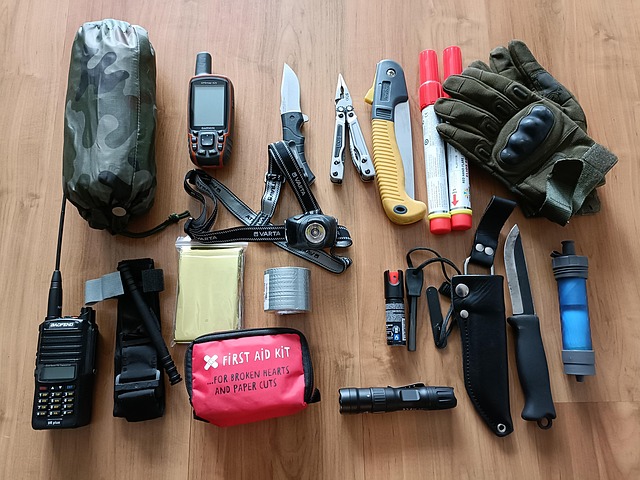

Essential Medical Supplies for Preppers
Introduction
Medical preparedness is just as important as food and water for preppers. During emergencies, access to hospitals, pharmacies, or medical services may be limited or delayed. A well-stocked and practical medical supplies kit ensures survival, reduces risk of complications, and provides peace of mind.
This guide explains essential medical supplies, storage tips, and strategies for preppers of all experience levels.
Principles of Medical Preparedness
- Prioritize essentials first – Cover the basics: first aid, pain relief, wound care.
- Plan for chronic conditions – Include medications and backups.
- Consider family needs – Adjust supplies for children, elderly, or pets.
- Rotation and replenishment – Replace expired items and maintain readiness.
- Focus on usability – Choose supplies that are easy to use during emergencies.
Medical preparedness is about practicality, not overstocking.
Core First Aid Supplies
A basic first aid kit should cover common emergencies:
- Adhesive bandages (various sizes)
- Gauze pads and rolls
- Medical tape
- Antiseptic wipes and solutions
- Alcohol swabs
- Cotton balls and swabs
Tip: Include scissors, tweezers, and a digital thermometer.
Medications
Critical medications support health during emergencies:
- Pain relievers (acetaminophen, ibuprofen)
- Anti-inflammatory medications
- Cold and flu medications
- Anti-diarrheal medications
- Allergy medications (antihistamines)
Tip: Purchase generic brands for cost savings and keep duplicates for rotation.
Wound Care and Infection Prevention
Proper wound care prevents serious complications:
- Sterile gloves
- Antibacterial ointments
- Burn cream
- Hydrogel dressings
- Gauze and bandages for larger injuries
Tip: Regularly review expiration dates and rotate as needed.
Chronic Condition Management
Preppers must plan for ongoing medical needs:
- Prescription medications (30-day backup minimum)
- Blood pressure monitors
- Glucose meters and test strips
- Medical documentation and instructions
Tip: Store medications in original labeled containers to avoid confusion.
Emergency Medical Tools
Practical tools improve your ability to handle medical situations:
- Blood pressure cuff
- Stethoscope
- Thermometer
- Splints or bandage wraps
- CPR face shields or masks
Tip: Learn basic skills to use these tools effectively.
Hygiene and Infection Control
Sanitation is crucial in emergencies:
- Soap and hand sanitizer
- Disinfectants and wipes
- Toilet paper
- Trash bags and disposal supplies
Tip: Combine hygiene items with your medical kit for easy access.
Storage and Organization
- Store medical supplies in a cool, dry, and accessible location
- Use a dedicated waterproof container or first aid kit
- Label compartments for easy identification
- Keep a checklist of all items and update regularly
Tip: Consider portable kits for bug-out scenarios.
Special Considerations
- Children: Include pediatric medications and supplies
- Elderly: Include mobility aids, chronic meds, and hearing/vision support
- Pets: Include pet first aid items and medications
Common Mistakes
- Ignoring expiration dates
- Overloading kits with unnecessary items
- Failing to learn how to use supplies
- Neglecting family-specific needs
- Not practicing first aid skills
Avoid these to ensure your medical preparedness is functional.
Building a Medical Supplies Kit Gradually
- Start with basic first aid and essential medications
- Add tools, specialized items, and chronic condition supplies gradually
- Practice using your kit during drills
- Replenish and rotate items regularly
Gradual building is more sustainable and practical than buying everything at once.
Conclusion
Essential medical supplies for preppers provide security, health, and peace of mind during emergencies. Focus on first aid basics, medications, wound care, hygiene, and family-specific items. Combine proper storage, rotation, and skill practice for maximum effectiveness.
For further guidance, explore related articles on First Aid Supplies for Preppers, Medical Supplies for Long-Term Emergencies, and Preppers Checklist, including printable medical supply lists and emergency guides.