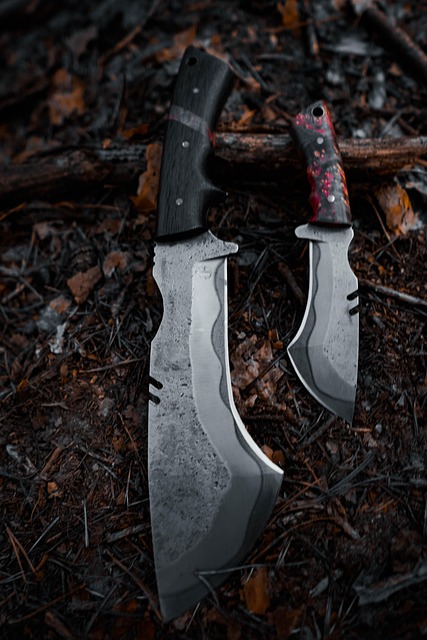

Top Preppers Survival Tools You Need
Introduction
Survival tools are at the heart of prepping. The right tools allow you to navigate, secure food and water, build shelter, and maintain safety during emergencies. Choosing and maintaining high-quality survival tools ensures you can handle a variety of challenges efficiently.
This guide details essential survival tools for preppers, explains their practical uses, and provides maintenance tips to keep your gear in top condition.
Principles of Choosing Survival Tools
- Essential functionality: Tools should address critical survival needs.
- Durability: Invest in tools built to withstand heavy use.
- Portability: Compact and lightweight tools are ideal for bug-out situations.
- Multi-use: Tools with multiple functions reduce the need for extra gear.
- Skill training: Knowing how to use each tool increases its effectiveness.
Knives and Cutting Tools
Knives are the most versatile prepper tools:
- Fixed-blade knives for heavy-duty tasks
- Folding knives for everyday carry
- Multi-tools with pliers, saws, and screwdrivers
- Sharpening stones or rods to maintain edges
Tip: Learn proper knife safety and maintenance.
Fire and Lighting Tools
Reliable fire and light sources are crucial:
- Matches and lighters (waterproof preferred)
- Ferro rods or magnesium fire starters
- Headlamps for hands-free operation
- Flashlights with spare batteries
- Candles as backup lighting
Tip: Store multiple backup options for redundancy.
Water and Food Tools
Ensure access to clean water and food:
- Water filtration systems or portable purifiers
- Collapsible water containers
- Portable camping stove and fuel
- Lightweight cooking pots and utensils
- Food storage containers for long-term supplies
Tip: Test all water and cooking equipment before an emergency.
Shelter and Protection Tools
Tools to build or secure shelter:
- Tents, tarps, or emergency bivy sacks
- Paracord, rope, and bungee cords
- Sleeping bags or emergency blankets
- Gloves and protective clothing
- Portable stove or heat source
Tip: Practice quick setup of shelter gear under different weather conditions.
Navigation and Signaling Tools
Being able to find your way or signal for help is vital:
- Compass and topographical maps
- GPS devices with spare batteries
- Signal mirrors and whistles
- Two-way radios for local communication
- Emergency beacons or satellite messengers
Tip: Learn basic navigation skills without relying solely on electronics.
Maintenance and Organization
Proper maintenance keeps tools functional:
- Clean tools after each use
- Oil or lubricate metal parts to prevent rust
- Sharpen knives and blades regularly
- Store in dry, organized containers
- Keep an inventory checklist updated
Tip: A well-maintained kit ensures readiness and prolongs tool lifespan.
Common Mistakes
- Buying low-quality or cheap tools
- Overloading on specialty gear too soon
- Ignoring maintenance and storage
- Failing to practice using tools
- Neglecting portability for bug-out scenarios
Avoiding these mistakes ensures your survival tools are reliable.
Gradual Gear Building
- Start with knives, multi-tools, and fire starters
- Add water, cooking, and shelter tools gradually
- Practice using each tool regularly
- Replace or upgrade items as needed
Gradual accumulation ensures sustainable preparedness without overspending.
Conclusion
Top preppers survival tools provide the foundation for safety, independence, and emergency readiness. Focus on knives, fire starters, water and cooking tools, shelter gear, and navigation equipment. Maintain, organize, and practice using your tools to ensure they are reliable when you need them most.
For further guidance, explore related articles on Essential Preppers Gear, Bug-Out Bag Tools, and Emergency Survival Equipment, including printable gear checklists and prepper tool guides.