
Preppers Checklist: A Simple Step by Step Guide
Preppers Checklist: A Simple Step by Step Guide
One of the biggest challenges new preppers face is knowing what to do first. Information overload causes confusion, panic buying, and unfinished preparation. A clear checklist removes uncertainty and keeps preparedness practical.
This preppers checklist is designed to be followed in order. Each step builds on the previous one and creates a functional emergency setup without waste or stress.
Why a Checklist Matters in Prepping
Preparedness fails when:
- Tasks are done out of order
- Critical items are skipped
- Progress is unclear
- Motivation drops
A checklist provides structure under calm and stressful conditions alike.
Step 1: Water Storage
Water is non-negotiable.
Checklist:
- Drinking water (1 gallon per person per day)
- At least 3–7 days stored
- Food-grade containers
- Rotation schedule
No water means immediate failure.
Step 2: Water Purification
Stored water runs out.
Checklist:
- Water filter
- Purification tablets
- Boiling capability
- Backup method
Redundancy prevents single-point failure.
Step 3: Food Supply
Start simple.
Checklist:
- Shelf-stable foods
- Foods you already eat
- 7-day supply minimum
- Manual can opener
Avoid specialty survival food at first.
Step 4: Cooking Without Power
Plan for grid failure.
Checklist:
- Alternative heat source
- Cookware
- Simple recipes
- Fuel storage
Cold food lowers morale quickly.
Step 5: Medical and First Aid
Medical readiness saves lives.
Checklist:
- First aid kit
- Personal medications
- Pain relief
- Basic medical supplies
Do not rely on emergency services.
Step 6: Lighting and Power
Darkness increases risk.
Checklist:
- Flashlights or headlamps
- Batteries
- Battery or hand-crank radio
- Charging options
Light restores control.
Step 7: Communication and Information
Situational awareness matters.
Checklist:
- Emergency radio
- Offline contact list
- Maps
- Local emergency info
Information reduces fear-driven decisions.
Step 8: Hygiene and Sanitation
Comfort affects health.
Checklist:
- Toilet alternatives
- Hygiene supplies
- Waste bags
- Cleaning supplies
Poor sanitation causes secondary disasters.
Step 9: Clothing and Shelter
Exposure kills faster than hunger.
Checklist:
- Weather-appropriate clothing
- Blankets
- Gloves and hats
- Footwear
Protect against heat and cold.
Step 10: Tools and Basic Repairs
Small fixes prevent big problems.
Checklist:
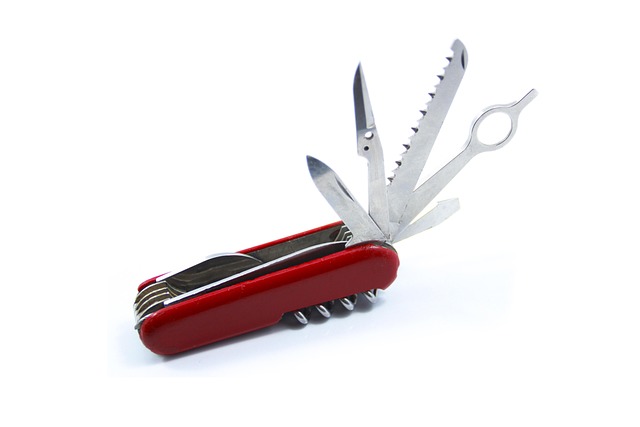
- Multi-tool
- Duct tape
- Cordage
- Basic hand tools
Improvisation requires tools.
Step 11: Personal Safety
Preparedness includes protection.
Checklist:
- Home security measures
- Situational awareness
- Conflict avoidance plans
Safety begins with avoidance, not force.
Step 12: Important Documents
Information is survival.
Checklist:
- ID copies
- Insurance documents
- Medical records
- Contact information
Store digitally and physically.
Step 13: Financial Readiness
Money disruptions happen fast.
Checklist:
- Emergency cash
- Reduced debt
- Backup payment options
Financial resilience reduces stress.
Step 14: Organization and Storage
Preparedness fails in chaos.
Checklist:
- Label containers
- Group supplies
- Accessible storage
- Inventory list
If it’s not organized, it’s not prepared.
Step 15: Skills and Practice
Supplies mean nothing without use.
Checklist:
- First aid knowledge
- Cooking practice
- Power outage drills
- Water purification practice
Practice turns lists into readiness.
Avoiding Checklist Paralysis
A checklist is not a race.
Rules:
- One step at a time
- Progress over perfection
- Consistency beats intensity
Preparedness is cumulative.
Updating Your Checklist
Review every:
- 6 months minimum
- After major life changes
- After real emergencies
Preparedness evolves.
Common Checklist Mistakes
- Skipping water
- Overbuying gear
- Ignoring sanitation
- No practice
The checklist is a guide, not a shopping list.
Conclusion
A preppers checklist simplifies preparedness into manageable steps. By following a structured plan, beginners can build real readiness without fear, waste, or burnout.
Preparedness is not complicated. It is deliberate.