
Preppers Gear Checklist: Must-Have Tools
Introduction
A preppers gear checklist ensures you have the right tools and equipment for emergencies. Whether facing natural disasters, power outages, or unexpected survival scenarios, having a well-prepared kit can mean the difference between safety and chaos.
This guide provides a detailed checklist of essential preppers gear, practical usage tips, and strategies to maintain and organize your tools for maximum effectiveness.
Principles of a Preppers Gear Checklist
- Functionality first: Each item should serve a critical survival purpose.
- Durability: Invest in long-lasting, high-quality tools.
- Portability: Gear should be transportable in bug-out situations.
- Multi-purpose: Tools that serve multiple functions reduce bulk.
- Skill knowledge: Understanding how to use each item increases efficiency.
Knives and Cutting Tools
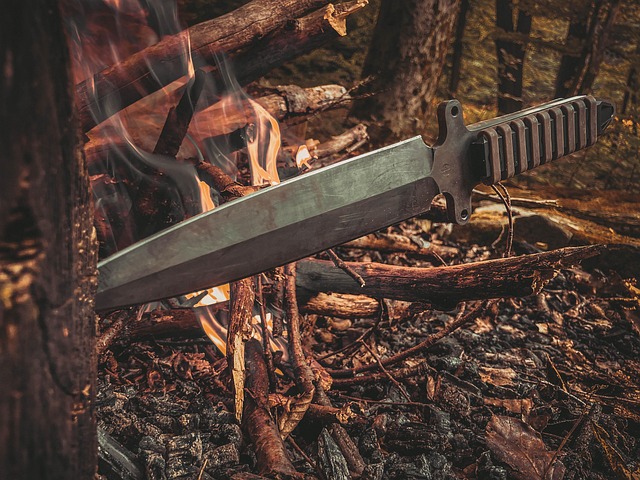
- Fixed-blade knives for heavy-duty tasks
- Folding knives for everyday carry and compact use
- Multi-tools with pliers, saws, and screwdrivers
- Sharpening stones or rods to maintain blades
Tip: Learn knife safety and routine maintenance to ensure readiness.
Fire and Light Tools
- Waterproof matches and lighters
- Ferro rods or magnesium fire starters
- Headlamps for hands-free operation
- Flashlights with spare batteries
- Candles as backup lighting
Tip: Keep multiple options for redundancy and reliability.
Water and Food Tools
- Water filtration systems or purifiers
- Collapsible water containers
- Portable camping stove and fuel
- Cooking utensils and pots
- Food storage containers for long-term preparedness
Tip: Test all water and cooking gear prior to emergencies.
Shelter and Protection Gear
- Tents, tarps, or emergency bivy sacks
- Paracord, rope, and bungee cords
- Sleeping bags or emergency blankets
- Protective gloves and clothing
- Portable heat sources or stoves
Tip: Practice shelter setup under various environmental conditions.
Navigation and Signaling
- Compass and topographical maps
- GPS devices with spare batteries
- Whistles and signal mirrors
- Two-way radios
- Emergency beacons or satellite messengers
Tip: Learn navigation skills independent of electronics for backup.
Maintenance and Storage
- Clean and dry gear after use
- Oil or lubricate metal parts to prevent rust
- Sharpen knives and blades regularly
- Store gear in dry, organized containers
- Keep an updated inventory checklist
Tip: Well-maintained gear ensures readiness during critical situations.
Common Mistakes
- Purchasing low-quality or cheap gear
- Overloading on specialty items prematurely
- Neglecting maintenance and storage
- Failing to practice using the tools
- Ignoring portability for bug-out scenarios
Avoiding these mistakes ensures your gear is functional, reliable, and practical.
Gradual Gear Accumulation
- Start with knives, fire starters, and multi-tools
- Add water, cooking, and shelter gear gradually
- Practice using each tool regularly
- Replenish or upgrade items as needed
Gradual accumulation ensures sustainability and avoids financial strain.
Conclusion
A preppers gear checklist ensures readiness and safety during emergencies. Focus on knives, fire starters, water and cooking gear, shelter equipment, and navigation tools. Proper storage, maintenance, and practice make your survival tools reliable in any scenario.
For further guidance, explore related articles on Essential Preppers Gear, Survival Tools Checklist, and Emergency Preparedness Equipment, including printable gear lists and guides for preppers.